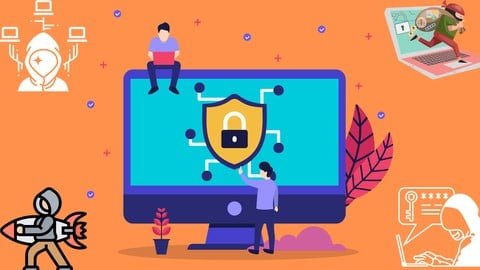
Practical Hacking and Pentesting Guide for Beginners introduces a hands-on path into ethical hacking: password cracking (Windows, Office, archives), GPU-accelerated attacks, WiFi and wired network hacking, Android pentesting, web hacking and bug bounty, Metasploit-based Windows exploitation, traffic analysis with Wireshark, and building a virtual lab. This course is practical, requires basic IT skills, and assumes no prior programming or Linux knowledge.
Getting Started: Scope, Prerequisites, and Learning Outcomes
This course is a focused, practical entry into ethical hacking and penetration testing. Designed for beginners, white hat hackers, security pros, and forensic experts, it promises no dry theory — only real techniques and tools used by practitioners. Prerequisites are minimal: the will to learn, basic IT skills, and a PC or laptop (4GB RAM minimum, 8GB recommended). No programming or prior Linux experience is required; all tools and concepts are taught from scratch with downloadable PDF guides accompanying practical lectures.
- Who this is for: Ethical hacking beginners, security professionals seeking practical skills, pentesters, and anyone interested in defensive/offensive security.
- What you'll gain: Comfortable hands-on ability with core pentesting tools and workflows including password recovery, network and wireless attacks, Android exploitation, web vulnerabilities, and lab setup.
- Course format: More than 6 hours of practical material, step-by-step demonstrations, and downloadable lecture PDFs for quick reference.
Tools, Lab Setup and Installing Your Environment
Before attacking targets ethically, you need an efficient environment and the right toolset. This module explains quick, easy installation of Kali Linux in a virtual environment and installing key tools on Windows when necessary. You will learn to create a virtual hacking lab and install utilities such as Hashcat, John the Ripper, and GUI-based password tools on both Kali and Windows systems.
- Virtual Lab: Quick and easy Kali Linux installation in VMware/virtual environments to build a controlled testing lab where all attacks are launched against owned or permitted systems.
- Windows tool usage: How to install and use password cracking tools in a Windows environment, including Hashcat and John the Ripper, enabling you to work without requiring Kali for every task.
- Practice platforms: Guidance to sharpen skills using free labs and platforms like Hack The Box and TryHackMe; every practical lesson is accompanied by examples and downloadable PDFs.
Password Cracking: Windows, Office, Archives and GPU Acceleration
This core area covers techniques and tools used to recover or bypass credentials for Windows and common file formats. You’ll explore Windows password cracking and bypassing, extracting credentials from RAM with Mimikatz, and cracking Office (Word, Excel, PowerPoint) and archive (ZIP, RAR) passwords.
- Windows passwords: Methods to break into Windows, and alternative approaches to access a system without decrypting passwords. The module includes extraction of credentials from RAM using Mimikatz.
- Office and archives: How to password-protect Word, Excel, and PowerPoint; using John the Ripper on Kali and Hashcat for accelerated cracking; Windows-based cracking without Kali; removing read-only and sheet/workbook protections; and handling very old Word formats with legacy utilities.
- GPU acceleration: Using Hashcat for faster GPU-based attacks from both Kali and Windows, and tips on services and tools that can accelerate office password recovery. You will learn single-command automated workflows and GUI options for those preferring visual tools.
Network, Wireless & Android Pentesting: Scanning, Exploitation and Wireless Attacks
This integrated module guides practical pentesting of networked targets — wired and wireless — plus Android device exploitation. It covers efficient target scanning, vulnerability assessment, exploitation frameworks, WiFi cracking workflows, and Android payload methods.
- Recon and assessment: How to scan targets efficiently to gather maximum information and perform vulnerability assessments with automated tools; practical steps to extract information, deploy keyloggers, and take screenshots after gaining a foothold.
- Metasploit and network exploitation: Introduction to Metasploit for Windows exploitation, building payloads with msfvenom, and applying Metasploit techniques to hack Windows and Linux machines over a network.
- WiFi and wired attacks: Wireless hacking basics using modern tools: capturing WPA2 handshakes with hcxdumptools, using aircrack utilities, and cracking captured hashes with Hashcat (GPU-accelerated). The course covers automated single-command cracking, GUI-based options, and approaches to crack WiFi from Windows.
- Android pentesting: Setting up an Android VM in VMware and exploiting devices with payloads created by msfvenom or via ADB with USB debugging enabled.
- Traffic analysis: Analysing traffic with Wireshark is included to help you verify attacks, inspect network flows, and gather evidence during assessments.
Web Hacking, Bug Bounty and Practical Pentesting Workflows
Web application security and bug bounty techniques form the final practical pillar. This module emphasises reconnaissance, exploitation, and responsible disclosure using hands-on exercises like DVWA challenges and dirbusting.
- Reconnaissance: Web application reconnaissance techniques and dirbusting to discover hidden directories and files that may expose vulnerabilities.
- Exploitation fundamentals: Practical walkthroughs of DVWA challenges; exploiting common web vulnerabilities such as SQL injection and XSS; learning countermeasures and defensive techniques to protect web applications.
- Bug bounty essentials: How to identify, validate, and report vulnerabilities for bug bounty programs, with emphasis on practical testing and responsible disclosure.
- Practical pentesting: Real-world workflows combining scanning, vulnerability assessment, exploitation (Metasploit), post-exploitation actions, and documentation — all demonstrated with downloadable PDFs and examples.
Conclusion
This comprehensive, practice-focused course equips you with the core skills to start ethical hacking and penetration testing: lab setup with Kali, password cracking (Windows, Office, archives) including GPU-accelerated attacks, network and wireless pentesting, Android exploitation, web hacking and bug bounty workflows, Metasploit usage, scanning and vulnerability assessment, and traffic analysis with Wireshark. All lessons are practical, taught from scratch, and designed for hands-on learning.